
Find Cheap Ammo Deals Without Sacrificing Quality or Reliability
Cheap ammo is simply ammunition priced for high-volume use without sacrificing dependable function, letting you burn through rounds without burning through your wallet. It works by stripping away premium frills like match-grade accuracy or specialty coatings, yet still cycles reliably in most standard firearms for everyday practice and plinking. This cost-effective firepower hands you the freedom to drill drills, test loads, and build muscle memory until your shots are second nature. Affordable rounds are your gateway to relentless repetition, and repetition is the 6.8 SPC Ammo for Sale only shortcut to true marksmanship.
What Actually Makes Ammo Affordable Without Being Unsafe?
Affordable ammo isn’t about cutting corners on safety—it’s about cutting waste. Remanufactured brass, once-fired cases, and bulk-packaged projectiles drop cost by reusing materials that already passed pressure testing, while primers and powder come from the same lot-controlled suppliers as premium lines. The real savings come from minimizing handling and packaging, not from weakening loads. A cheap round is safe when it meets SAAMI pressure specs, uses consistent powder charges, and passes spot-check chronographing—brands that skip these fail fast. What actually makes ammo affordable without being unsafe is manufacturing efficiency, not material downgrades. For example, a 9mm round with a plated bullet and boxer-primed brass costs less because it skips expensive nickel plating and match-grade tolerances, yet still cycles reliably. That’s safe value. Avoid unknown reloads, but trust volume producers who test every batch—they’re cheap because they’re smart, not reckless.
Breaking Down the Real Cost Differences in Budget-Friendly Rounds
The real price gap between budget rounds often comes down to three tangible factors: **bullet construction, case material, and powder charge weight**. A fully copper-jacketed round costs more per box than a lead-alloy or bi-metal jacketed alternative, which explains why steel-cased, flat-nose loads consistently run 15–20% cheaper. You pay for weight and machining, not just the primer. To break it down practically:
- Compare cost-per-round after shipping: a 50-round box at $12 beats a 20-round box at $7.
- Check if the case is reusable — brass holds value, steel is one-and-done.
- Look at projectile mass: lighter 115-grain 9mm loads use less lead and copper, dropping price without sacrificing safe function.
Cheaper ammo also skips nickel plating and sealed primers, trimming $3–$5 per box while staying perfectly safe for range use.
Steel Case vs. Brass Case: Where the Savings Come From
The primary cost difference between steel and brass case ammunition comes down to material expense and manufacturing steps. Brass is a premium alloy that costs significantly more per pound than the coated steel used in .32 Win Special Ammo for Sale budget-friendly rounds, and brass requires annealing and multiple drawing processes to maintain its malleability. Steel skips most of this, using a simple stamping or drawing process before applying a polymer or lacquer coating to aid extraction. That coating also reduces reloading viability, meaning manufacturers don’t need to design for multiple firings, trimming, or resizing—cutting production complexity further. For shooters, steel case savings come from lower raw material and one-time-use design, while brass commands a premium for its durability and reload potential, not necessarily for better ignition or accuracy.
Is Remanufactured Ammo a Smart Way to Save Cash
Remanufactured ammo offers real savings, but it requires scrutiny to be a genuinely smart cash-saving move. Unlike new factory loads, these rounds use reclaimed brass, which is inspected and reloaded, making them significantly cheaper per box. The key is buying from reputable brands that use quality control steps like case gauging and new primers. Remanufactured ammo is a smart way to save cash, yet 6.5×55 Swedish Ammo for Sale it demands you check for consistent crimping and avoid visibly dented casings. For range practice, the cost reduction is substantial without sacrificing reliability, provided you test a small batch first to confirm function in your firearm before committing to a bulk purchase.
- Vet the manufacturer’s reloading process for primer seating and powder charge consistency.
- Only buy from brands that offer a satisfaction guarantee on their remanufactured rounds.
- Compare per-round price against new Ammunition for Sale brass; savings typically reach 20–40%.
- Use remanufactured ammo exclusively for practice, never for self-defense carry.
How to Score the Deepest Discounts on Everyday Shooting Cartridges
The trick to scoring the deepest discounts on everyday shooting cartridges is to stop treating the gun store shelf as your baseline. I learned this when a buddy showed me a receipt for 9mm at half the box price—he bought during a holiday code stack on a bulk order, split with three friends, and used a cashback portal. You have to hunt the *seasonal clearance* on last year’s batch, not the new stock, because retailers slash prices to free warehouse space. I also never buy .32 ACP Ammo for Sale a single box; I watch for free-shipping thresholds, then pair a manufacturer rebate with a storewide coupon—that double dip is where the real savings hide. Patience hurts, but the guy who waits for the Tuesday price drop always outshoots the guy who pays Friday premiums. Finally, sign up for ballistic-specific newsletters and check their “blemished” section—cosmetic flaws drop the price by twenty percent without touching ballistics, and a reloaded batch from a trusted local dealer often undercuts factory ammo by a third.
Buying in Bulk: Which Calibers Give You the Best Price-Per-Round
When you’re stocking up on cheap ammo, the best price-per-round usually comes from high-volume calibers like 9mm, .223 Remington, and .22 LR. These sell in massive quantities, so bulk cases of 500 to 1,000 rounds drop the cost dramatically—often 20–40% below buying boxes of 50. For 9mm, look for 124-grain FMJ in 1,000-round cases; for .223, 55-grain is the budget king. Bulk buying favors calibers with high market turnover, so niche rounds like .357 Sig or 6.5 Creedmoor won’t give you the same deep per-round discounts. That said, a less popular caliber can still pay off if you watch for rebate events and buy twice as much as you normally would in one go.
- Stick to 9mm, .223, and .22 LR for the steepest bulk discounts.
- Buy 500–1,000 round cases—never 100-round boxes—to unlock the best per-round savings.
- Skip premium defensive loads for bulk practice; save those for small, specialized batches.
- Compare price-per-round across at least three sellers before committing to a bulk order.
Timing Your Purchases Around Seasonal Sales and Clearance Events
Timing your purchases around seasonal sales and clearance events is the most reliable way to secure cheap ammo without waiting for a market crash. Retailers typically discount defensive and hunting calibers right after major holidays like Black Friday and post-hunting season, while end-of-summer clearance events clear out bulk practice loads. To maximize savings, schedule bulk ammo purchases for late January and late August, when distributors push out overstock to reduce warehouse costs. Set price alerts on major ammo sites during these windows and compare per-round costs against your baseline. Q: When should I buy after a seasonal sale ends? A: Wait three to four weeks post-event, as stores often slash remaining inventory up to 20% deeper to clear shelves before new stock arrives.
Using Ammo Deal Alerts and Price Comparison Tools Effectively
To score the deepest discounts, treat ammo deal alerts and price comparison tools as your non-negotiable starting point—never your backup plan. Set alerts on AmmoSeek or Wikiarms for your exact cartridge and preferred bullet weight, then configure instant email or app notifications so a flash sale on 9mm or .223 hits your phone within minutes, not hours. Cross-check three comparison engines before checkout, because shipping costs vary wildly and often erase a “deal” that’s actually overpriced once freight is added. Bookmark the price-per-round column, sort by it, and filter out out-of-stock listings automatically. A disciplined routine—checking alerts twice daily and pouncing on sub-basement prices you’ve pre-identified—turns casual browsing into systematic savings. Skip sites that hide fees until the final screen; those tools exist to expose exactly that trap.
Getting Reliable Performance from Low-Cost Rounds at the Range
Getting reliable performance from low-cost rounds demands stricter attention to your firearm’s mechanical condition and your own shooting habits. Start by cleaning the chamber and feed ramp thoroughly, as cheap ammo often carries more residue or slightly rougher casings that induce failures to feed. Test a few brands in smaller boxes first, tracking malfunctions per 100 rounds rather than dismissing a lot after one hiccup. Lubricate your gun lightly but consistently, since budget loads can be under-powered and need a slick action to cycle fully. Also, grip firmly and let the gun reset naturally—limp-wristing exacerbates stovepipes with softer recoil springs. For reliability, verify your pistol’s recoil spring weight against the ammo’s velocity, as a too-heavy spring will short-cycle weak loads. If you see frequent failure to eject, swap to a lighter spring. Q: What is the first fix for cheap ammo failures? A: Deep-clean the chamber and feed path before changing any parts. Finally, chronograph a few rounds to confirm they meet minimum power factor for your action’s timing.
Matching Budget Ammo Types to Specific Firearms for Zero Malfunctions
Matching budget ammo to your specific firearm starts with the manual’s twist rate and chamber specs, not the price tag. A 1:7 twist barrel will choke on https://specialtysportsandsupplyltd.com/ cheap 55-grain FMJ, keyholing rounds that a 1:12 twist digests flawlessly. For pistols, test a single box of steel-cased budget loads first—tight match chambers often extract these poorly, while looser tactical barrels cycle them without a hiccup. Zero malfunctions with cheap ammo demand you verify bullet profile against your feed ramp’s angle; flat-nosed budget 9mm jams in some Glocks, yet feeds perfectly in a Beretta. Chronograph a few rounds to ensure the low-cost powder charge cycles your recoil spring weight, not just the next shooter’s.
How to Test a New Cheap Lot for Accuracy and Dependability
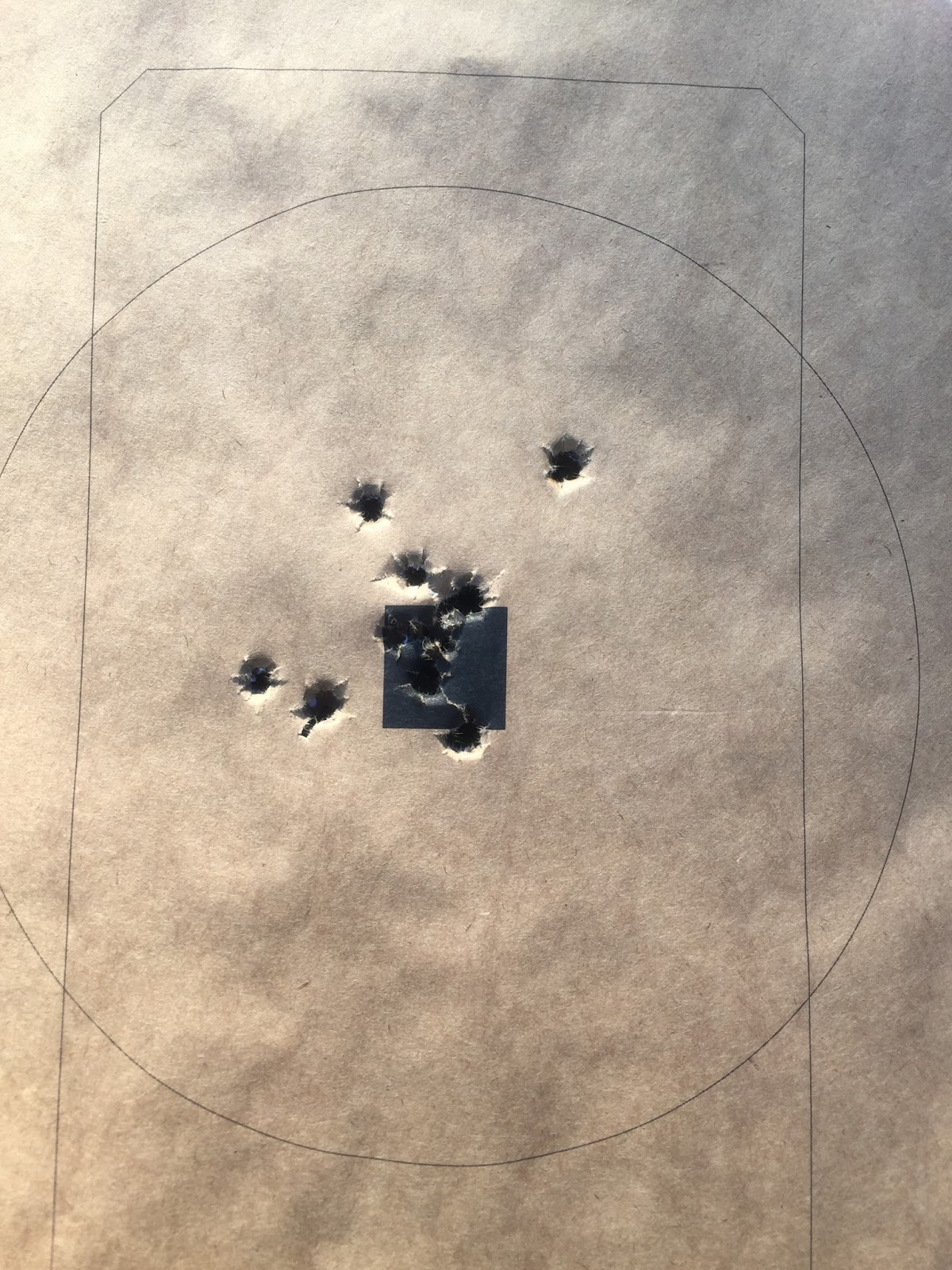
Before trusting a new budget batch, run a **lot verification test** by shooting five consecutive five-round groups at 25 .338 Lapua Ammo for Sale yards from a rested position. Measure each group’s average spread; if it exceeds 3 inches, the lot is inconsistent. Then, fire 50 rounds rapidly to check for failures—stovepipes, light strikes, or double feeds. Track every malfunction against the round count; more than two per box means the lot is unreliable for defense or competition. Finally, compare point-of-impact shift between your old and new lot at 50 yards. If it drifts more than 2 inches, adjust your sights or discard the batch. Lot verification testing separates usable cheap ammo from dangerous junk quickly.
Q: How to test a new cheap lot for accuracy and dependability without wasting a full box?
A: Shoot one 10-round group for precision, then fire 20 fast—if no failures and the group stays under 2.5 inches, the lot passes.
Cleaning Your Gun More Often to Offset Dirtier Powder Blends
Budget ammunition frequently employs dirtier powder blends that leave accelerated carbon fouling and unburned residue, directly impacting bolt travel and feed reliability. To counter this, shorten your cleaning interval by half—for example, after every 150 rounds instead of 300—and focus on the chamber, lugs, and gas system. These blends also attract moisture, so run a bore snake with a light solvent at the range’s end to prevent hard carbon from baking in. This routine preserves extraction force and trigger reset crispness, making the gun’s mechanical timing less dependent on clean-burning propellant. Ignoring this turns a simple maintenance shift into a jam-packed session.
Q: How often should I clean my gun when firing cheap, dirty powder loads?
If you’re firing these blends, aim for a full field strip and scrub every 100–200 rounds, plus a quick bolt-face wipe each magazine change, to 6.5x57R Ammo for Sale keep carbon from binding the action.
Where to Spend Versus Where to Skimp: Practical Ammo Buying Tips

For range blasting, skimp aggressively on cheap ammo—bulk steel-case or remanufactured rounds are perfect for drills, malfunction clearing, and burning through thousands of rounds without guilt. But never skimp on your carry or defensive load; that cheap box of unknown-brand hollow points could jam exactly when you need it most, so test at least 50 rounds of your chosen premium defense load for reliability. For practice, split the difference: shoot cheap ammo for volume, but every session, run a magazine of your expensive carry ammo to confirm zero and function. Cheap ammo’s real cost is measured in malfunctions, not dollars, so calculate per-round price only after factoring in your gun’s tolerance for gritty, underpowered loads. Match your cheapest bulk purchase to your firearm’s known appetite—some guns eat anything, others choke—so skimp only where your specific trigger finger can afford the occasional click.
Which Defensive Loads Are Worth Paying Extra For and When to Use Cheap Practice

For carry and home defense, premium ammunition is worth the premium because your life may depend on flawless expansion and reliable cycling in a 6.5x57mm Mauser Ammo for Sale compact pistol. Spend extra on bonded jacketed hollow points like Speer Gold Dot or Federal HST, which consistently penetrate barriers and expand through denim. Reserve cheap practice ammo—bulk FMJ or flat-nose reloads—for range drills, malfunction clearing, and building trigger discipline. Defensive loads merit premium pricing only for the magazine you’ll actually use; otherwise, cheap ball ammo safely simulates recoil and grip. Test one box of your chosen defensive round for function, then practice cheap, carry expensive.
How to Spot a Great Deal on High-Volume Training Ammo
For high-volume training ammo, a great deal hinges on price-per-round after shipping, not the sticker price. Calculate the true cost by .35 Remington Ammo for Sale dividing the total delivered amount by the round count, and compare that against the current market baseline for the same bullet weight and casing type. A genuine deal emerges when you find brass-cased, new-production ammunition at a cost-per-round that sits at least ten percent below that baseline, without sacrificing reliable ignition. Beware of flashy discounts on remanufactured loads or obscure brands, as those often mask inconsistent quality that will cost you in malfunctions. Instead, track your preferred load’s average price across two or three major retailers, then pounce when a bulk-case price dips into that favorable zone. This systematic threshold approach ensures you ignore marketing noise and only stock up when the math truly works.
Understanding Shipping Costs to Get the True Lowest Final Price
Ammo deals can vanish faster than a box of 9mm at a gun show, so always check the final price before you click buy. A low per-round cost means nothing if the shipping fee doubles your total, so hunt for free-shipping thresholds or flat-rate options to get the true lowest final price. Don’t assume the cheapest base price wins—sometimes a slightly pricier box from a nearby warehouse beats a distant bargain once you factor in weight-based freight. Add the item to your cart, punch in your ZIP code, and compare the delivered total against other sellers before committing.
Common Questions About Budget Rounds: Straight Answers for Shooters
When shooters ask if budget rounds are worth it, the straight answer is yes—for range work, cheap ammo delivers the same bang for a fraction of the cost. The most common question is “Will cheap ammo hurt my gun?” No, as long as you stick to reputable budget brands and clean your firearm regularly, you’re fine. Another frequent one: “Can I trust cheap ammo for self-defense?” That’s a hard no—save your premium hollow points for carry, and use budget full metal jackets strictly for practice. Accuracy-wise, cheap ammo is usually fine for plinking, but don’t expect match-grade groups. A final tip: buy in bulk to maximize savings, but test a few boxes first to ensure your gun cycles them reliably. That’s the practical truth—budget rounds are about volume, not perfection.
Will Inexpensive Ammo Damage My Barrel or Worn Parts Faster
Inexpensive ammo typically doesn’t damage your barrel faster as long as it uses copper-jacketed bullets; the main risk is accelerated wear from abrasive powder residue in budget loads, which can strip lubrication and increase friction on already-worn parts. Cheaper cartridges often have inconsistent pressure spikes, but these rarely exceed SAAMI limits, so your barrel’s throat and rifling face normal erosion—not sudden harm. However, if your firearm already has worn locking lugs or a loose chamber, the dirtier burn of budget powder can cause faster carbon fouling, leading to premature extraction issues and mild battering over thousands of rounds. For most shooters, the difference is negligible unless you’re firing tens of thousands of rounds through a precision barrel.
Inexpensive ammo won’t destroy your barrel or worn parts outright, but dirtier powder and inconsistent pressure can modestly accelerate fouling and wear in already-aged components—not a major concern for typical use.
How Much Ammo Should You Actually Stash When Prices Are Low
When prices dip, resist the urge to buy a lifetime supply on a whim. Instead, calculate your practical ammunition reserve by multiplying your average monthly round count by twelve—this covers a full year of regular training and plinking without locking capital into excess. For defensive calibers, stash at least 500 rounds per firearm you actually carry, as low-price windows are the ideal time to refresh aging stock. For budget bulk calibers like 9mm or .22 LR, cap your hoard at 5,000 rounds per gun; beyond that, storage conditions and shifting primer chemistry degrade reliability. Rotate purchases so you shoot the oldest first, ensuring your stash never becomes a museum of misfires. Inventory turnover matters more than raw volume when cheap ammo tempts you to overbuy.
Stash no more than a 12-month shooting supply, plus 500 defensive rounds per carry gun—rotate oldest ammo to the front to avoid degradation.
Are There Hidden Storage or Handling Tricks to Preserve Cheap Rounds Longer
Yes, the primary hidden trick for cheap rounds is managing moisture, not just temperature. While costly ammo has robust sealants, budget cartridges often lack them, so storing them in a sealed container with desiccant packs is critical, but avoid airtight metal boxes that sweat with temperature swings. Rotate your stockpile quarterly, as cheap powder degrades faster, and always wipe off handling oils before storage—fingerprint salts corrode brass primers quickly. For loose rounds, use a plastic ammo can with a rubber gasket and a humidity indicator card; if it turns pink, replace the desiccant. This passive approach prevents the most common failure: moisture-induced primer ignition failure in plinking-grade ammunition.